Screen Time · 6 min read
Healthy Gaming Habits for Kids
Practical habits for breaks, frustration, fair play, and ending on a good note.
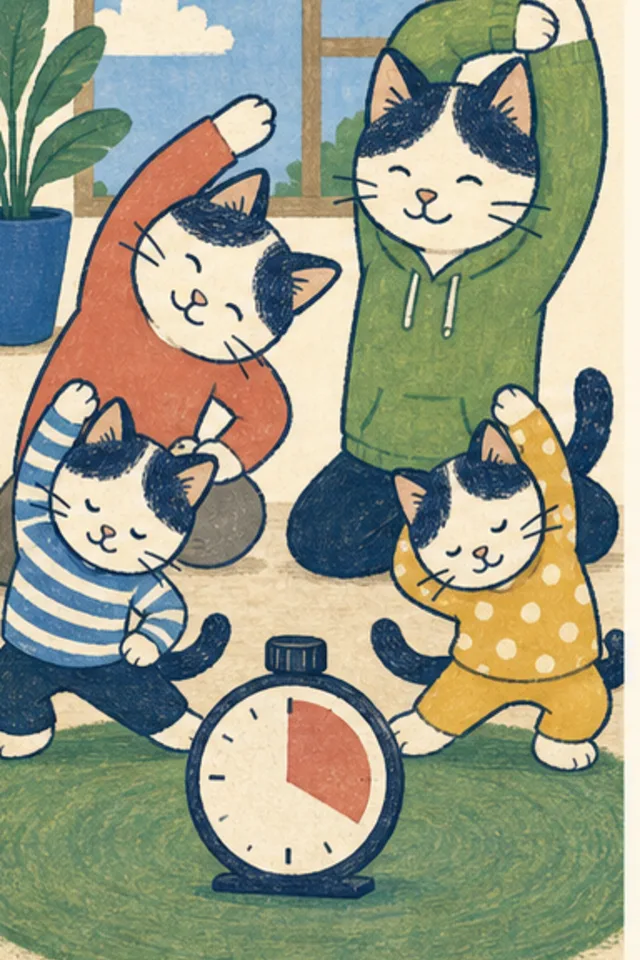
Why this matters
Healthy play includes a clear start and stop, comfortable posture, breaks for eyes and movement, room for other activities, and a plan for handling frustration.
The right routine depends on the game and child. A five-minute intense round can feel different from a calm puzzle level, even when the clock says the same thing.
A practical family routine
- Choose a stopping point before play.
- Keep water nearby and change posture between rounds.
- Use mute or reduced motion when effects feel overwhelming.
- End with a short reflection rather than chasing one more score.
The routine is meant to be small enough to use during ordinary family life. Try it once, notice what helped, and change the parts that did not fit the child, device, or game.
Questions that open a conversation
- How does your body feel right now?
- Is the game still fun or are you chasing a fix?
- What is a good place to stop?
Ask one question at a natural pause rather than turning the entire play session into an interview. Specific observations are more useful than praise or criticism aimed at the child.
Kid version
Blink, stretch, drink water, and notice your feelings. If play stops being fun, pause before deciding whether to retry.
If you make a mistake, tell a trusted grown-up. Asking for help is the smart move, and private details never belong in an ordinary browser game.
What this guide cannot promise
Persistent headaches, pain, sleep problems, or serious distress deserve attention from a qualified professional.
Smart Cat Games connects learning and safety claims to things families can actually observe. This guide is general information, not legal, medical, or diagnostic advice.
Try it together
Choose one step from this page for the next short game session. At the stopping point, each person can name one thing they noticed and one thing they would change next time.
Put it into practice
Related games